







AEO (Answer Engine Optimization): The Future of Website Marketing and AI-Powered Search
The way people search online is changing rapidly. Instead of typing simple keywords into search engines, users are now asking complete questions through AI assistants, voice search devices, and intelligent search platforms. This evolution has created a new digital marketing strategy known as Answer Engine Optimization (AEO).
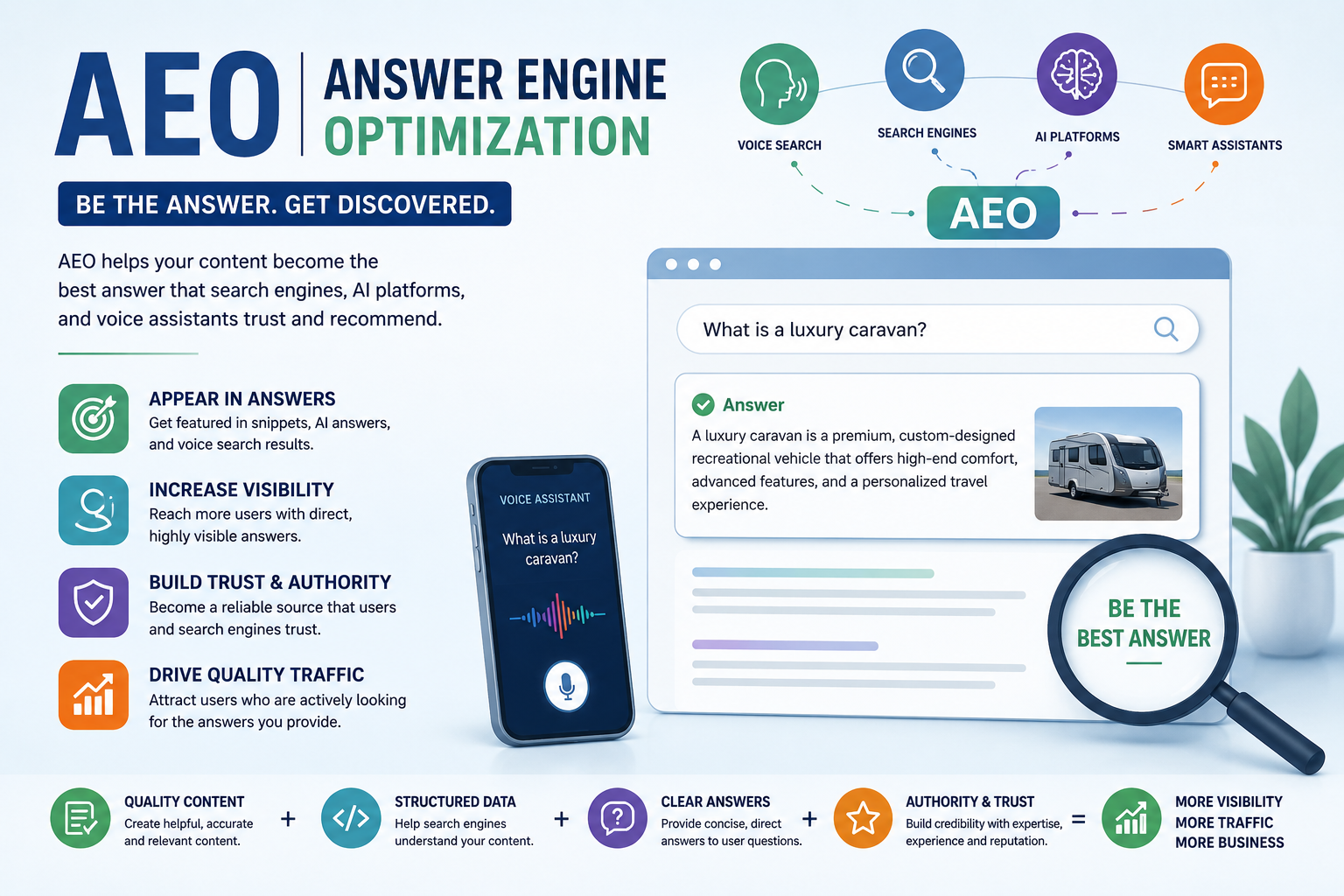
AEO focuses on optimizing website content so that search engines and AI-powered platforms can easily understand, extract, and display direct answers to user questions. Rather than simply ranking a webpage, AEO helps businesses become the trusted source that provides instant answers.
What is Answer Engine Optimization (AEO)?
Answer Engine Optimization is the process of structuring and optimizing content to appear in featured snippets, voice search results, AI-generated answers, and knowledge panels. The goal is to provide clear, accurate, and authoritative answers that search engines and AI systems can present directly to users.
As AI-powered search experiences become more common, businesses that implement AEO can gain significant visibility and authority online.
Why is AEO Important for Website Marketing?
Modern consumers want immediate answers. Whether they are searching through Google, using voice assistants, or interacting with AI tools, users prefer quick and reliable information.
AEO helps businesses:
- Increase online visibility
- Build brand authority
- Improve user engagement
- Generate qualified traffic
- Enhance customer trust
- Stay competitive in AI-driven search environments
Instead of competing for clicks alone, businesses can position themselves as the answer users receive first.
How Does AEO Work?
AEO works by making website content easier for search engines and AI systems to understand and present.
Create Question-Based Content
Businesses should identify common customer questions and provide detailed answers.
Examples include:
- What is a luxury caravan?
- How much does a custom cube house cost?
- What are the benefits of aircraft interior customization?
Develop FAQ Sections
Frequently Asked Questions help search engines identify important information and deliver direct answers to users.
Use Structured Content
Clear headings, bullet points, numbered lists, and concise explanations make information easier for AI systems to interpret.
Implement Schema Markup
Structured data helps search engines understand the context of content and improves eligibility for featured snippets and rich results.
Demonstrate Expertise
Authoritative and accurate content increases the likelihood that AI platforms will trust and reference your website.
Benefits of AEO for Businesses
Increased Search Visibility
AEO helps your content appear in featured snippets, answer boxes, and AI-generated search results.
Better User Experience
Users receive immediate answers to their questions, creating a positive experience and increasing trust in your brand.
Higher Quality Traffic
People who find direct answers are often further along in the buying journey and more likely to become customers.
Voice Search Optimization
As voice assistants become more popular, AEO helps your content become discoverable through conversational search queries.
Stronger Brand Authority
When your business consistently provides valuable answers, customers view your brand as a trusted industry expert.
AEO vs Traditional SEO
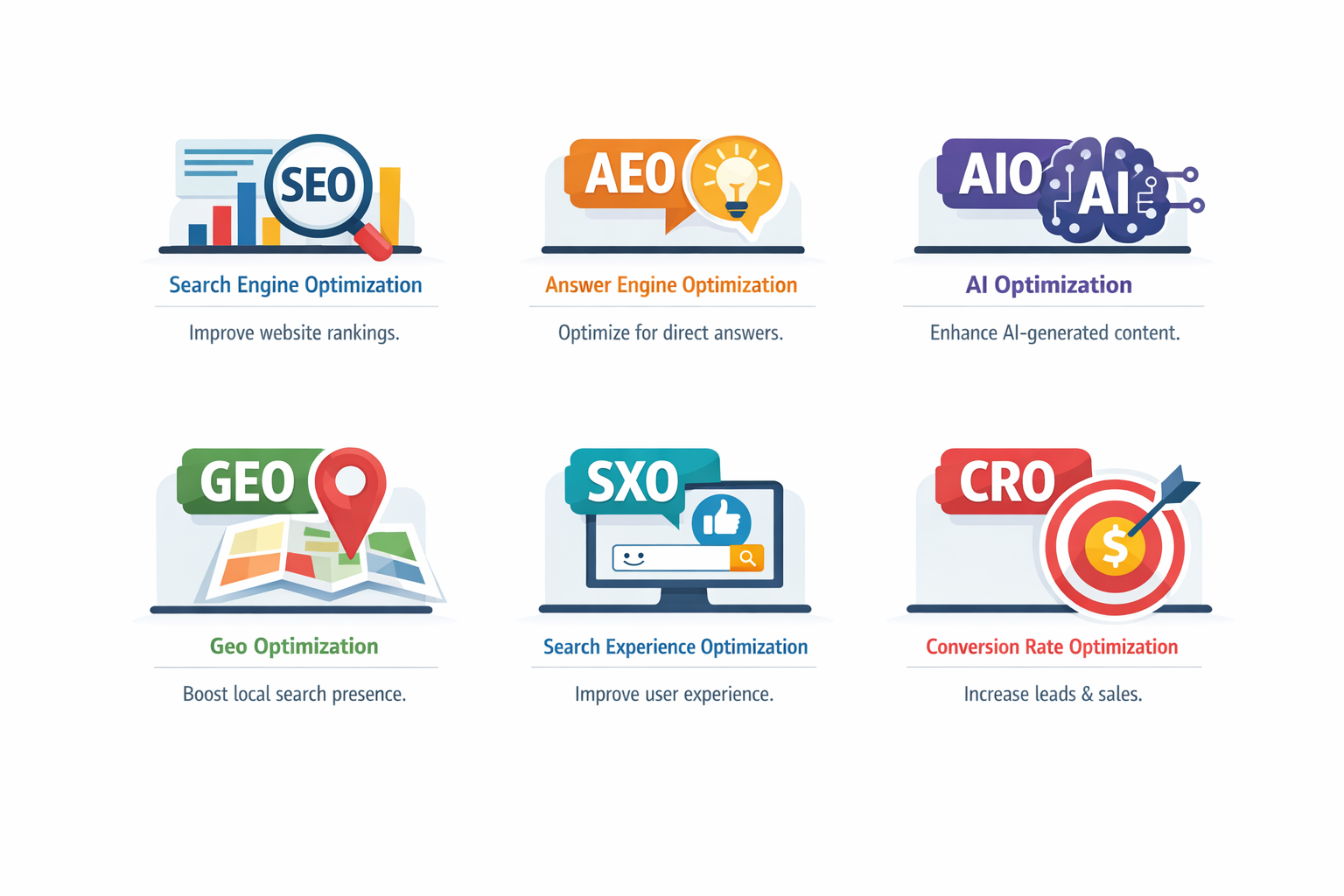
Traditional SEO focuses on improving rankings in search engine results pages.
AEO focuses on becoming the direct answer that users receive from search engines and AI platforms.
The most successful digital marketing strategies combine both SEO and AEO to maximize visibility and customer engagement.
The Future of AEO
As AI search technology continues to evolve, Answer Engine Optimization will become an essential component of digital marketing. Businesses that create accurate, helpful, and structured content today will be better positioned to gain visibility in tomorrow’s search landscape.
The future is no longer just about being found online—it is about being chosen as the answer.
Conclusion
Answer Engine Optimization is transforming the way businesses connect with customers online. By creating question-focused content, implementing structured information, and building authority, companies can increase visibility, attract qualified leads, and establish themselves as trusted sources in their industries.
Businesses that invest in AEO today are preparing for a future where answers matter more than rankings and where trust drives digital success.